How to Write Subscript Mac Like Pro: Expert Tips Revealed

Understanding Subscript Formatting on Mac Systems
Subscript text appears slightly below the baseline of regular text, commonly used in chemical formulas like H2O, mathematical expressions such as x1, and footnote references. For professionals working with scientific documentation, academic papers, or technical manuals, knowing how to write subscript mac like pro is essential for clear communication and polished presentation.
Mac users have multiple pathways to create subscript text, ranging from keyboard shortcuts to dedicated formatting tools within popular applications. Whether you're drafting a chemistry lab report, preparing lecture notes, or designing marketing materials, mastering subscript creation enhances both efficiency and document quality. The challenge lies in selecting the most appropriate method based on your specific software environment and workflow requirements.
This comprehensive resource examines every viable approach to generating subscript text on Mac systems, including native operating system features, application-specific solutions, and third-party utilities. By understanding these methods thoroughly, users can seamlessly integrate professional subscript formatting into their daily tasks while maintaining consistency across various document types and platforms.
The Complete Overview of Subscript Implementation
Subscript functionality on Mac computers operates through two primary mechanisms: character-level formatting and application-integrated tools. Character-level formatting involves modifying individual characters' vertical positioning relative to the text baseline, typically achieved through specialized keyboard combinations or menu commands. This approach works universally across most text-editing environments but requires manual activation for each instance.
Application-integrated tools provide more sophisticated subscript management within specific software ecosystems. Programs like Microsoft Word, Apple Pages, and Adobe Creative Suite offer dedicated subscript buttons, automatic formatting rules, and customizable style presets. These solutions excel at handling complex documents containing numerous subscript elements while maintaining consistent spacing and typography standards throughout the project.
Historical Background and Evolution
The concept of subscript text predates modern computing by centuries, originating in early mathematical manuscripts where scholars needed to distinguish between base values and their indices. Traditional typesetting systems developed elaborate mechanical processes for creating subscript characters, involving precisely calibrated metal type and specialized printing equipment. These physical constraints shaped early approaches to subscript implementation, emphasizing permanence and precision over flexibility.
With the advent of personal computers in the 1980s, subscript formatting transitioned from mechanical to digital processes. Early Mac systems introduced basic character formatting capabilities through simple keyboard shortcuts, allowing users to manually adjust text positioning. As software applications evolved, developers incorporated increasingly sophisticated subscript handling features, including automatic detection of common patterns like chemical formulas and mathematical notation. Modern Mac operating systems now support Unicode-standard subscript characters alongside traditional formatting methods, providing unprecedented versatility for technical documentation workflows.
Table of Contents
- Understanding Subscript Formatting on Mac Systems
- The Complete Overview of Subscript Implementation
- Historical Background and Evolution
- Core Mechanisms: How It Works
- Key Benefits and Crucial Impact
- Major Advantages
- Comparative Analysis
- Future Trends and Innovations
- Conclusion
- Comprehensive FAQs
- Q: What is the fastest way to create subscript text on a Mac?
- Q: How do I write subscript text in Microsoft Word for Mac?
- Q: Can I use subscript formatting in Apple Pages documents? A: Yes, Apple Pages provides robust subscript support through both keyboard shortcuts and menu commands. Select the text you want to format as subscript, then press Cmd + Ctrl + = or navigate to Format > Style > Subscript in the formatting sidebar. Pages also includes intelligent subscript recognition that automatically formats common scientific notation patterns, making it ideal for academic writing and technical documentation projects requiring frequent subscript usage. Q: Are there Unicode subscript characters available for Mac users?
- Q: What third-party tools help with subscript creation on Mac?
Core Mechanisms: How It Works
At the operating system level, Mac's subscript functionality relies on the Core Text rendering engine, which manages character positioning and font metrics across all applications. When users activate subscript formatting through keyboard shortcuts or menu commands, the system applies predefined vertical offset values to selected characters, typically lowering them by approximately 30-50% of the standard character height. This process occurs dynamically without altering the underlying text content, ensuring compatibility with search functions and data export operations.
Within individual applications, subscript implementation varies significantly based on software architecture and user interface design. Microsoft Word employs a hybrid approach combining direct character formatting with style-based templates, allowing users to define custom subscript behaviors for specific document sections. Apple's Pages utilizes a more streamlined methodology focused on visual consistency, automatically adjusting spacing and alignment to maintain readability when subscript text appears alongside regular characters. Both approaches demonstrate how software developers balance technical accuracy with user experience considerations in their subscript handling implementations.
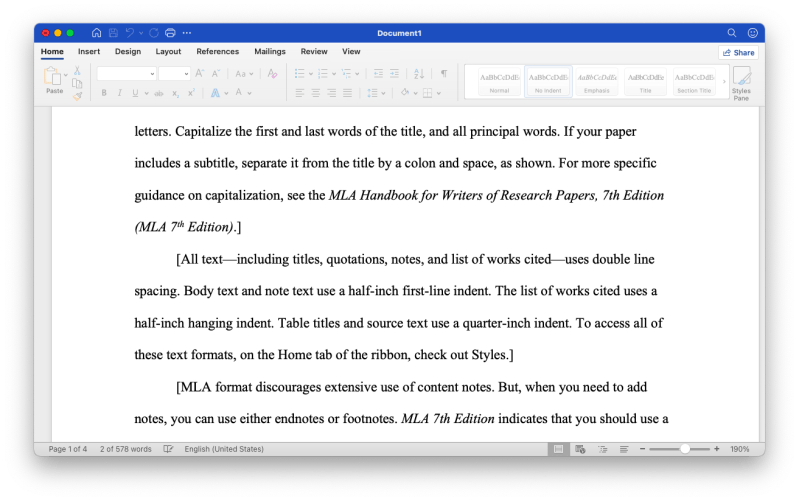
Key Benefits and Crucial Impact
Professional subscript formatting delivers measurable improvements in document clarity, reader comprehension, and overall presentation quality. Technical documents containing properly formatted subscripts eliminate ambiguity in mathematical expressions, chemical equations, and data references, reducing the potential for misinterpretation that could compromise research integrity or project outcomes. This enhanced precision becomes particularly critical in collaborative environments where team members rely on clearly formatted documentation to execute complex procedures accurately.
Beyond immediate readability gains, consistent subscript implementation contributes to broader organizational efficiency through standardized formatting practices. Companies investing in proper subscript training often report reduced revision cycles, fewer client clarification requests, and improved document approval timelines. The long-term value extends to brand perception as well, since professionally formatted technical materials reinforce credibility and attention to detail in client-facing communications.
"Proper subscript formatting isn't just about aesthetics—it's about precision communication that prevents costly misunderstandings in technical fields."
Major Advantages
- Enhanced readability in scientific and mathematical contexts through standardized character positioning
- Improved document professionalism and credibility when presenting technical information to stakeholders
- Reduced error rates in formula interpretation, particularly important for safety-critical applications
- Streamlined collaboration workflows through consistent formatting standards across team projects
- Time savings from learning efficient keyboard shortcuts rather than manual formatting adjustments
Comparative Analysis
| Method | Best Use Case |
|---|---|
| Keyboard Shortcut (Cmd + Ctrl + =) | Quick inline formatting in any Mac application supporting rich text |
| Application-Specific Tools (Word, Pages) | Complex documents requiring consistent style management and batch formatting |
| Unicode Characters | Permanent text elements where formatting must survive format conversions |
| Third-Party Utilities | High-volume subscript creation across multiple applications and file formats |

Future Trends and Innovations
Emerging developments in artificial intelligence and machine learning promise to revolutionize subscript handling through automated pattern recognition and contextual formatting suggestions. Future Mac applications may incorporate smart detection algorithms that identify chemical formulas, mathematical expressions, and other subscript-dependent content automatically, applying appropriate formatting without explicit user intervention. This evolution toward intelligent assistance aligns with broader trends in productivity software emphasizing proactive support over reactive tool usage.
Cross-platform synchronization technologies represent another significant advancement area, enabling seamless subscript formatting consistency between Mac, iOS, and web-based applications. Cloud-based document editing platforms are already implementing real-time collaboration features that preserve subscript formatting integrity across different operating systems and device types. These innovations collectively point toward a future where professional subscript implementation becomes increasingly intuitive and accessible to users at all technical skill levels.
Conclusion
Developing proficiency in writing subscript mac like pro represents a fundamental skill enhancement for anyone regularly working with technical documentation, scientific materials, or complex data presentations. The investment in mastering various subscript creation methods pays dividends through improved document quality, enhanced professional credibility, and streamlined workflow efficiency. Success depends not merely on memorizing keyboard shortcuts but on understanding when and how to apply different techniques appropriately within specific contexts.
As Mac technology continues advancing and collaborative work environments become increasingly sophisticated, staying current with subscript formatting best practices ensures continued effectiveness in professional communication. Regular practice with preferred methods, exploration of new application features, and attention to emerging industry standards will maintain your subscript implementation skills at peak performance levels regardless of evolving technological landscapes.
Comprehensive FAQs
Q: What is the fastest way to create subscript text on a Mac?
A: The quickest method involves using the universal keyboard shortcut Cmd + Ctrl + = (equals sign) in most Mac applications that support rich text formatting. This instantly converts selected text to subscript without navigating menus or opening formatting panels. For even faster access, users can customize this shortcut through System Preferences > Keyboard > Shortcuts > App Shortcuts, assigning memorable key combinations tailored to their specific workflows.
Q: How do I write subscript text in Microsoft Word for Mac?
A: In Microsoft Word for Mac, you can create subscript text by selecting the desired characters and pressing Cmd + Shift + = (equals sign), or by clicking the Subscript button in the Font section of the Home tab. Alternatively, right-click the selected text and choose Font from the context menu to access subscript options. Word also supports automatic subscript detection for common patterns like chemical formulas when enabled through Preferences > Proofing > AutoCorrect Options.
Q: Can I use subscript formatting in Apple Pages documents?
A: Yes, Apple Pages provides robust subscript support through both keyboard shortcuts and menu commands. Select the text you want to format as subscript, then press Cmd + Ctrl + = or navigate to Format > Style > Subscript in the formatting sidebar. Pages also includes intelligent subscript recognition that automatically formats common scientific notation patterns, making it ideal for academic writing and technical documentation projects requiring frequent subscript usage.
Q: Are there Unicode subscript characters available for Mac users?
A: Mac operating systems include extensive Unicode subscript character support accessible through the Character Viewer (Cmd + Ctrl + Space). Users can browse mathematical and technical symbols categories to find pre-formatted subscript numbers, letters, and special characters that maintain their appearance across different applications and platforms. These Unicode subscripts prove particularly valuable for web content creation and cross-platform document sharing where traditional formatting methods might not preserve properly.
Q: What third-party tools help with subscript creation on Mac?
A: Several specialized utilities enhance subscript workflow efficiency on Mac systems. Text expansion tools like TextExpander allow users to create custom shortcuts for frequently used subscript combinations, while clipboard managers like Paste enable quick access to previously formatted subscript content. LaTeX editors such as TeXstudio provide advanced mathematical typesetting capabilities including sophisticated subscript handling for complex scientific documents requiring publication-quality formatting standards.
Leave a Comment
Comments are moderated before appearing. The data you submit is processed according to the Privacy Policy of Sac.